October 16, 2026
Few rooms in a home work as hard as the kitchen. Pots come straight off the burner, knives slice across cutting areas, and spilled sauces sit for a few minutes before anyone grabs a towel. In a space like this, the surface you cook on matters just as much as the appliances above it. Homeowners comparing quartz and granite countertops often ask the same question: which material holds up better when temperatures climb and traffic never stops? The answer depends on how you cook, how you clean, and how much upkeep you are willing to handle. This guide breaks down heat tolerance, durability, stain resistance, maintenance, appearance, and long-term value so you can decide with confidence. Along the way, you will see why both options have loyal fans and where each one truly shines.
Understanding How Each Material Is Made
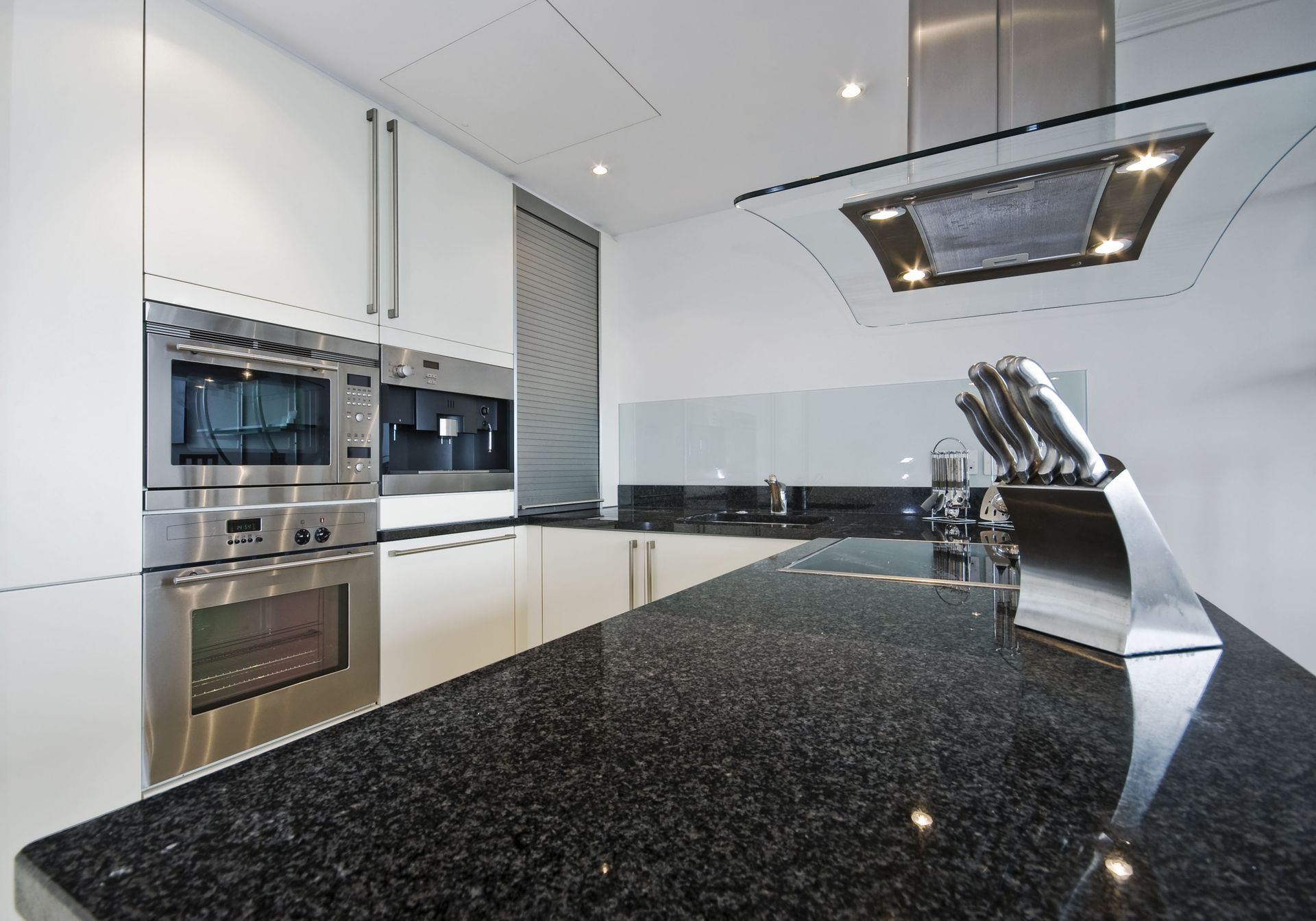
Granite is a natural igneous stone quarried in large blocks, cut into slabs, and polished to a shine. Every slab carries its own mineral veining, flecks, and color shifts, which means no two kitchens look exactly alike. Quartz is engineered. Manufacturers combine ground natural quartz with resin binders and pigments, then press the mixture into uniform slabs. That process creates consistent patterns and a smooth, controlled finish. Brands such as Caesarstone, Cambria, and Silestone have made engineered surfaces popular with homeowners who want predictable color.
The difference in construction explains most of what follows. Natural stone handles extreme temperatures because it formed under intense geologic heat. Engineered slabs rely on resin to hold everything together, and resin responds to heat very differently than rock does. Knowing this up front makes the rest of the countertops comparison much easier to follow.
Comparing Heat Resistance Head to Head
Heat is where the two materials separate most clearly. Granite can generally handle a hot pot placed straight from the stove without scorching, since the stone itself formed under extreme heat. Most homeowners still use caution, because sudden temperature swings can stress a slab that has a hidden fissure or a thin spot near a cutout.
Quartz is more sensitive. The resin binders can discolor, blister, or leave a faint ring when exposed to a very hot pan or a baking sheet fresh from the oven. Damage may not show up right away, which catches many cooks off guard. For households that sear, roast, and bake daily, granite countertops offer a clear advantage in raw heat tolerance. If you choose quartz, you can still protect it by placing hot cookware on a protective surface every single time.
Evaluating Durability Under Heavy Daily Use
High-use kitchens deal with more than heat. Dropped pans, heavy appliances, and constant chopping all test a surface. Both materials rank high for hardness, and everyday scratching is rare with either one. Quartz has a slight advantage in impact tolerance because the resin adds a little flexibility, which helps it resist chipping along edges. Granite is dense and strong, yet a hard impact on a thin edge can cause a chip, especially around sink cutouts.
Edge design plays a role too. Choosing softly rounded profile edging helps, since it is less likely to chip than a sharp square corner on either material. A skilled fabricator also reinforces weak points and supports long spans properly. Quality fabrication often matters more than the material itself, and strong workmanship helps both kinds of countertops last for decades.
Examining Stain Resistance and Hygiene
Quartz has a nonporous surface, so wine, coffee, oil, and juice stay on top where they can be wiped away. That also limits the places where bacteria can hide, a real benefit in a kitchen where raw ingredients are handled daily. Granite is naturally porous to a degree. When it is sealed properly, it resists most stains, yet a spill left overnight can sometimes soak in, particularly oils or acidic liquids.
The trade-off is simple. Quartz asks very little of you, while granite rewards a bit of attention. If you tend to leave messes until the end of the evening, quartz forgives that habit more easily. If you stay on top of spills, a well-sealed granite slab performs admirably and can look beautiful for many years.
Weighing Maintenance and Long-Term Care
Maintenance is where daily life meets material science. Quartz needs only mild soap and water for routine cleaning, and it never requires sealing. Granite needs sealing on a regular schedule, commonly once a year, though the right interval depends on the stone and how heavily it is used. A simple water test helps: if droplets soak in and darken the stone, it is time to reseal.
Both surfaces should be shielded from harsh chemicals and abrasive pads, which can dull the finish over time. Heat deserves a reminder here as well. Quartz owners should treat heat protection as a permanent habit rather than an occasional precaution, while granite owners should schedule sealing the way they schedule other home chores. Careful routines keep kitchen countertops looking sharp through years of spills, splatters, and sizzling pans. When a surface finally shows its age, professional countertop fabrication and countertop replacement services can refresh a kitchen without a full remodel.
Considering Appearance, Cost, and Resale Value
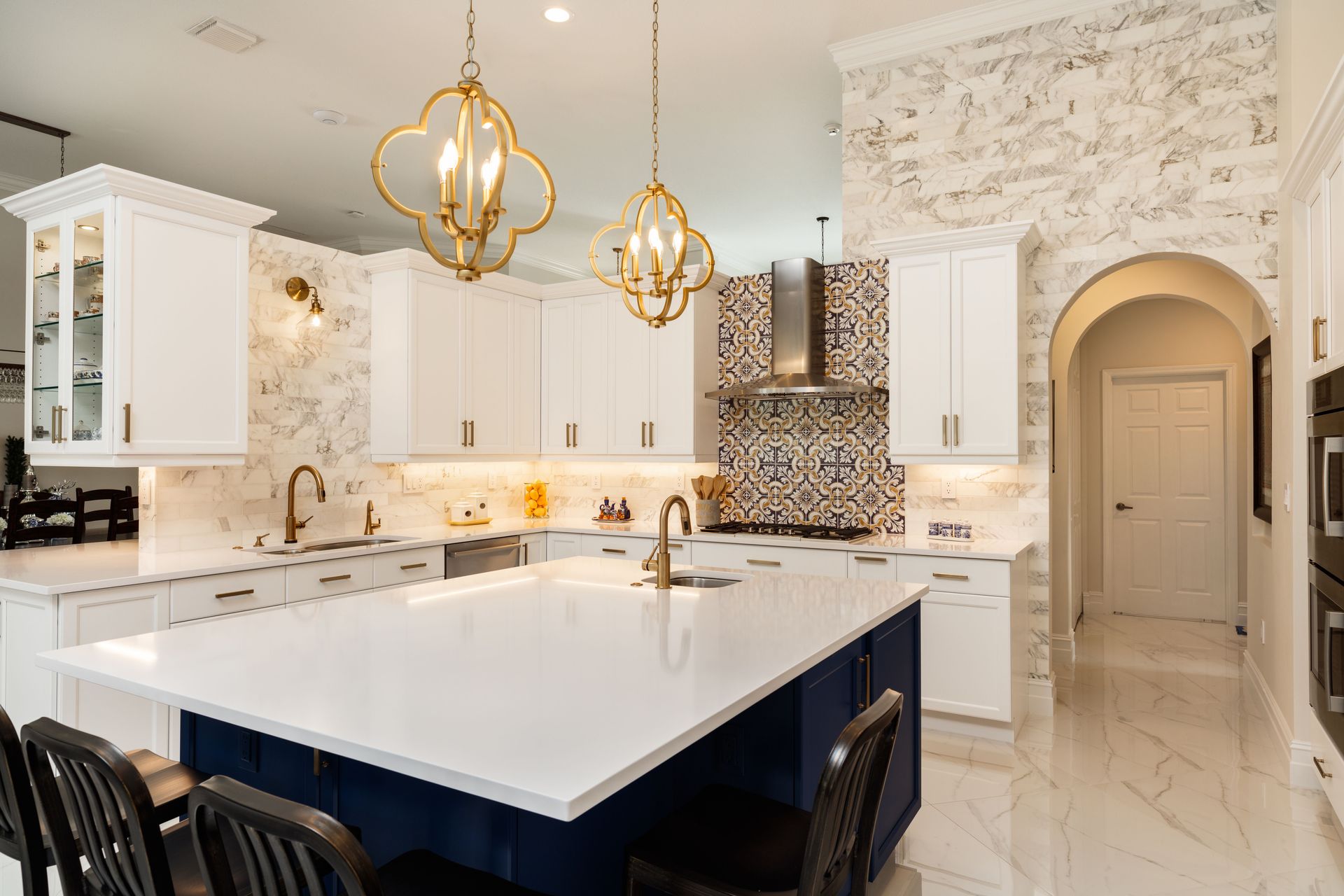
Style often tips the final decision. Granite offers natural movement, depth, and one-of-a-kind patterns that suit traditional and rustic kitchens. Quartz delivers clean, consistent looks, from soft whites to bold solid colors for modern spaces. Quartzite and marble are other natural stone options worth a look if you love dramatic veining, though each has its own care needs. Location matters as well, since prolonged direct sunlight can fade engineered slabs, which makes granite the better fit for an outdoor kitchen.
Cost is closer than many people expect. Pricing for both materials overlaps widely depending on color, thickness, and edge details, so the lowest price is rarely the best measure of value. Demand is strong, too. According to Businesswire.com, the U.S. countertop market, valued at roughly USD 28.65 billion in 2024, is expected to grow to about USD 32.44 billion by 2030. That steady growth shows how many homeowners are investing in their kitchens, and quality surfaces tend to catch the eye of future buyers. Thoughtfully chosen countertops can support resale appeal for years.
For a kitchen with high heat and heavy traffic, granite earns the edge for pure heat tolerance, while quartz wins on stain resistance and low maintenance. If you cook at high temperatures every day and do not mind periodic sealing, granite is the stronger performer. If you value a nonporous surface, uniform color, and minimal upkeep, quartz is a practical choice, provided you commit to protecting it from hot cookware.
Neither material is a bad choice, and the better one is simply the one that fits your habits. Both are durable, attractive, and capable of lasting for decades with proper care. Viewing full slabs in person, discussing your cooking style, and reviewing details such as full-height backsplashes and edge profiles can make the decision much clearer. A local fabricator who handles granite, quartz, and quartzite every week can explain how each material behaves in real kitchens, which no spec sheet can fully show. Your new countertops should suit the way your household actually lives. A family-operated, veteran-run team that has served the Hudson, FL area since 1991 can walk you through every option with patience and clear answers. Call Rock Your World Inc. today to request a free estimate and bring the right stone into your kitchen.